01 — Evidence
Evidence Summary
Taurine's cancer evidence pulls in several directions at once. One controlled human trial supports it — for chemotherapy tolerability, not tumor control — while cell and animal studies report tumor-cell death in some cancers and tumor promotion in others. Cutting across all of it is a newer theme: tumor cells and cancer-fighting immune cells compete for the same taurine. The direction of effect depends on the cancer type, the dose, and who gets the taurine — so the three tiers below are read together, and the contradiction is treated as the finding, not smoothed over.
Human
Clinical Record
One supportive-care cohort
The controlled human oncology evidence is supportive-care, not anti-tumor: one small leukemia cohort in which oral taurine eased chemotherapy side effects versus placebo. No published trial has tested taurine against a tumor endpoint.
- Reduced chemotherapy-induced nausea, vomiting, and weariness versus placebo in leukemia patients
- Companion reports from the same cohort noted eased toxicity and fewer febrile episodes
- A trial is now recruiting that adds taurine to chemo-immunotherapy in gastric cancer
Animal
Preclinical Signal
Tumor models — opposite directions by cancer
Oral taurine reduced tumor burden in two mouse models — but in several others it did the reverse, promoting growth or protecting cancer cells from death, so the direction tracks the cancer type.
- Reduced colon tumor incidence and lowered nasopharyngeal xenograft volume
- Opposing: promoted lung tumor growth, and its transporter fed leukemia progression
- Opposing: shielded prostate cancer cells from a form of programmed cell death
In Vitro
Cell Model Data
Apoptosis in some lines; opposite in others
Taurine's most repeated laboratory finding is mitochondrial apoptosis in several cancer cell types — mostly at high concentrations — but newer work reports the opposite in the same cancers.
- Triggered mitochondrial apoptosis in colon, nasopharyngeal, breast, and other cancer cells
- The classic apoptosis studies used concentrations well above achievable exposure
- Yet a recent study found taurine promoted breast-cancer growth instead
Human
Clinical Record
The controlled human oncology evidence for taurine is supportive-care, not anti-tumor. In a double-blind, placebo-controlled trial, acute-lymphoblastic-leukaemia patients receiving oral taurine during maintenance chemotherapy reported significantly less chemotherapy-induced nausea and vomiting than those on placebo, along with less taste and smell alteration and less weariness.[1] No published trial has yet tested taurine against a tumor endpoint, though one is now recruiting in gastric cancer.
Continue reading — full research detail+
The trial randomised 40 patients (aged 16–23) with acute lymphoblastic leukaemia, all on the same maintenance chemotherapy regimen, to oral taurine 2 g/day (divided, taken 6 hours after chemotherapy) or placebo for 6 months; 32 completed. Taurine-supplemented patients reported significant improvements in chemotherapy-induced nausea and/or vomiting, in taste and smell alteration, and in weariness (each P<0.05).[1] The same investigators published further outcomes from what appears to be this same 40-patient cohort — reduced markers of chemotherapy-associated hepatic, renal and oxidative toxicity,[38] and fewer febrile episodes[39] — so the supportive-care picture is broader than one report, but it is one small cohort, not independent replication. All are patient-level tolerability outcomes, not tumor or survival endpoints.
The honest tension is that this benefit was measured in leukaemia — the disease context most directly implicated in taurine's pro-tumor evidence. Bone-marrow-niche taurine, taken up through the taurine transporter (TauT/SLC6A6), has been shown to drive glycolysis and myeloid-leukaemia progression in mice and patient-derived cells; critically, the investigators reported that increasing taurine availability accelerated disease, while transporter blockade impaired leukaemia and synergised with venetoclax.[2] The same transporter is over-expressed in human colorectal tumors, where it supports survival and multidrug resistance,[3] and across several cancers as a p53-regulated gene.[4,28]
A second human-relevant thread complicates the picture in the other direction. In a 2024 study, tumour cells over-expressing SLC6A6 outcompeted CD8+ T cells for taurine; the taurine-starved T cells accumulated ER stress and immune-checkpoint expression and became exhausted, whereas taurine supplementation restored their effector function and improved the efficacy of cancer therapies in preclinical gastric-cancer models.[30] The unresolved question is therefore not simply "does taurine feed cancer?" but who wins the competition for it — the tumour or the immune system. A multicentre randomised trial adding oral taurine to chemo-immunotherapy in locally advanced gastric cancer, built directly on this mechanism, is now recruiting.[40]
Signal maturity: the supportive-care evidence is genuine but confined to one small leukaemia cohort and to chemotherapy tolerability; no human anti-tumor outcome exists yet, though one trial is now testing it. The competing pro-tumor and pro-immune mechanisms are preclinical but recent, independent, and anchored in human tumor tissue — together they mean taurine's net effect in an active cancer cannot be assumed favourable, and appears to depend on the cancer.
Animal
Preclinical Signal
Two oral-taurine mouse model systems reported reduced tumour burden — a colitis-associated colorectal-cancer model and a nasopharyngeal-carcinoma xenograft.[6,8] But several independent, recent studies pull the other way: in leukaemia, lung, and prostate models, taurine helped the tumour — feeding it, promoting growth, or shielding it from cell death.[2,32,33]
Continue reading — full research detail+
In an azoxymethane/dextran-sulfate model of colitis-associated colorectal cancer, taurine given in the drinking water cut tumour incidence from 100% (8/8) in controls to 44% (4/9), reduced Ki-67 proliferation in cancer tissue, and raised the apoptosis marker cleaved caspase-9 and the tumour suppressor PTEN.[6] In a nasopharyngeal-carcinoma xenograft, oral taurine significantly lowered tumour volume and weight with increased cleaved caspase-3 and p53.[8] A colon-cancer xenograft was likewise growth-impaired by taurine.[9] These anti-tumour models are consistent but share overlapping senior authorship — the colorectal and nasopharyngeal work comes from one research group rather than fully independent laboratories.
Several independent studies run directly against those tumour-suppression models. In myeloid leukaemia, taurine synthesised by bone-marrow osteolineage cells and imported through the taurine transporter (TauT/SLC6A6) drives glycolysis and leukaemogenesis; increasing taurine availability accelerated disease, whereas transporter loss-of-function impaired leukaemia in mice and synergised with venetoclax against primary human cells.[2] In lung cancer, taurine (with proline) promoted tumour growth by down-regulating AZGP1 and increasing mTOR signalling,[32] and serum taurine affected lung-cancer progression through effects on the tumour immune microenvironment.[31] In prostate cancer, taurine released by tumour-associated macrophages protected cancer cells from ferroptosis (a form of programmed cell death) through LXRα/SCD1 signalling.[33] In each of these, more taurine helped the tumour — the opposite of the drinking-water colon and nasopharyngeal models.
Two cancers now carry both directions in their own literature, which is the strongest statement of the problem. In breast cancer, taurine has been reported to induce mitochondrial apoptosis[35] and, separately, to promote progression via the SLC6A6 axis by reducing oxidative stress and accelerating the cell cycle.[34] In liver cancer (hepatocellular carcinoma), taurine or SLC6A6 over-expression accelerated tumour formation through the bile-acid pathway in one 2025 study,[41] while a 2026 study found taurine suppressed HCC growth by inhibiting argininosuccinate lyase (ASL) and the urea cycle, and enhanced a glutaminase inhibitor.[42] One of these HCC papers explicitly describes taurine as "a double-edged sword in oncology… contingent upon the specific tumour microenvironment."[41]
Signal maturity: the direction of taurine's effect tracks the cancer. Anti-tumour reports cluster in colon and nasopharyngeal cancer; pro-tumour reports in leukaemia, lung and prostate; and in breast and liver cancer both directions have been reported in the same tumour type. The oral-taurine suppression models come substantially from one research programme, while the pro-tumour and both-ways data are recent and independent — so no reliable anti-tumour effect is established, only that the effect is context-dependent, tracking cancer type, dose, and which transporters a tumour expresses.
In Vitro
Cell Model Data
Taurine's most repeated laboratory finding is induction of mitochondrial (intrinsic) apoptosis across several cancer cell types — colon, nasopharyngeal, breast, and others — converging on the PUMA, Bax/Bcl-2, caspase, and PTEN cell-death machinery. Two caveats now sit on it: the apoptosis concentrations are far above achievable exposure, and newer work reports taurine promoting growth in some of the same cancers.
Continue reading — full research detail+
In human colon-cancer cells (HT-29 and LoVo), taurine repressed proliferation and induced apoptosis with raised PUMA and a high Bax/Bcl-2 ratio; silencing PUMA reduced the apoptosis, identifying it as a central mediator in both p53-mutant and p53-wild-type lines.[5] In nasopharyngeal-carcinoma cells, taurine dose-dependently increased active caspase-9 and caspase-3, raised Bax and the endoplasmic-reticulum chaperone GRP78, lowered Bcl-xL, and increased PTEN and p53 while reducing phosphorylated Akt — with only slight effect on an immortalised normal cell line, suggesting some selectivity.[7] Dedicated breast-cancer work reported taurine inducing mitochondrial apoptosis,[35] and across colon, breast, cervical and skin lines taurine drove JNK-mediated apoptosis, impairing colon-cancer growth in a xenograft.[9] The colorectal and nasopharyngeal studies share overlapping senior authorship.
But breast cancer also shows how unsettled this is: a 2026 study reported the taurine–SLC6A6 axis promoting breast-cancer progression — reducing oxidative stress and accelerating the cell cycle[34] — the opposite direction to the apoptosis reports in the very same cancer. The two lines of work used different systems and taurine levels, which is exactly the point: the outcome is not fixed by cancer type alone.
Concentration is where the apoptosis findings specifically meet oral reality. Those studies used taurine at high-millimolar concentrations. Taurine is already unusually abundant inside cells — in a mouse whole-body study, skeletal-muscle taurine exceeded 30 mM, the highest tissue concentration of any known metabolite[25] — yet a large 4 g human oral dose lifts plasma only to about 0.69 mmol/L,[21] and seven days of oral taurine did not measurably raise human skeletal-muscle taurine content at all.[36] So the high concentrations that trigger apoptosis in a dish are not ones oral dosing can reach. Importantly, this caveat cuts against the anti-tumor apoptosis story specifically — the pro-tumor and immune-competition mechanisms above operate at ordinary physiological taurine levels, so they are not similarly discounted by the concentration gap.
Signal maturity: the mitochondrial-apoptosis mechanism is the most reproducible tumour-directed finding and the basis for the one partial role retained below (Attack), though the central papers share overlapping authorship, it is concentration-limited, and it is directly contradicted within some cancers. It should be read as a real but heavily qualified signal, not a dependable anti-cancer action.
Advertisement
02 — Pathways
Pathway Interaction Profile
Only one tumour-directed role survives honest classification for taurine, and only as partial: Attack, resting on a reproducible but concentration-limited apoptosis signal. Contain and Weaken are set to off. Below Attack sits a separate set of host-resilience pathways, including an immune-competence finding that captures the compound's central tension: taurine can support the very CD8+ T cells a tumour is starving of it.
Attack is the one tumour-directed role retained, and only as partial. It has the best-replicated positive signal on this page — mitochondrial apoptosis across several cancer cell types, with in-vivo corroboration in two oral-taurine mouse models — but the effective concentrations sit far above achievable exposure, and, crucially, taurine has been shown to block a different cell-death programme (ferroptosis) in another cancer. Direct killing is real in some models but does not generalise.
Direct Tumour-Directed Killing
Research concerning regulated tumour-cell death (apoptosis, ferroptosis, necroptosis).
Intrinsic apoptosis (mitochondrial / Bcl-2)
Taurine has been reported to induce mitochondrial (intrinsic) apoptosis in human colon-cancer cells through PUMA up-regulation and a raised Bax/Bcl-2 ratio, with PUMA knockdown reducing the effect.[5] In nasopharyngeal-carcinoma cells it increased active caspase-9 and caspase-3, raised Bax and GRP78, and lowered Bcl-xL,[7] in breast-cancer cells it regulated mitochondrial apoptosis proteins,[35] and across colon, breast, cervical and skin lines it drove JNK-mediated apoptosis.[9] Two oral-taurine models add in-vivo corroboration — cleaved caspase-3 in a nasopharyngeal xenograft[8] and cleaved caspase-9 in the colorectal model.[6] Two limits keep this partial rather than established. The in-vitro effect required high-millimolar taurine (see Pharmacokinetics and Administration). And taurine has the opposite effect on cell death elsewhere: in prostate cancer, taurine released by tumour-associated macrophages suppressed ferroptosis through LXRα/SCD1 signalling, protecting the cancer cells,[33] while in breast cancer a recent study found the taurine–SLC6A6 axis reduced oxidative stress and accelerated the cell cycle to promote progression.[34] Taurine cannot be read as a dependable pro-death signal across cancers.
Taurine's Protect classification is active on the strength of one controlled human trial. It covers clinical-outcome evidence tied to cancer treatment itself — a randomised trial of taurine alongside chemotherapy — and preclinical, mechanism-based evidence that taurine supports host tissue resilience and antitumour immune cells. Each Disease-Resilience finding below carries an explicit conflict-check, because taurine's support of mitochondria, immune cells, and stressed tissue is not obviously tumour-selective — indeed the immune finding is the sharpest expression of this whole compound's tension.
Oncology Host-Status
Chemotherapy symptom burden — a double-blind, placebo-controlled randomised trial in acute-lymphoblastic-leukaemia patients found oral taurine 2 g/day during maintenance chemotherapy significantly reduced chemotherapy-induced nausea and vomiting, taste and smell alterations, and weariness (each P<0.05), detailed in full under Evidence Summary above.[1]
This is patient-reported tolerability, not a tumour or survival endpoint, and the completing sample was small. It is genuine controlled human host-support evidence — but read it alongside the pro-tumour transporter findings, since the trial did not measure whether taurine affected the leukaemia itself.[2]
Immune Competence (Surveillance)
Research concerning immune recognition, surveillance, and cytotoxic capacity in the host.
Taurine and CD8+ T-cell function
In a 2024 study, CD8+ T cells depended on taurine for survival and effector function; when tumour cells over-expressing the SLC6A6 transporter consumed the available taurine, the T cells accumulated endoplasmic-reticulum stress, up-regulated immune-checkpoint genes, and became exhausted. Supplying taurine restored their function and improved the efficacy of cancer therapies in preclinical gastric-cancer models.[30] Conflict-check: this is the compound's defining tension rather than a clean benefit. The very same transporter-mediated uptake that can fuel a tumour also, in this model, starves the immune cells meant to fight it — so whether added taurine helps depends on who captures it, the tumour or the T cells. It is genuine host-immune support evidence, but inseparable from the pro-tumour mechanism it mirrors, and it has not yet been tested in humans (a trial built on it is recruiting — see Evidence Summary).
Host Mitochondrial Reserve
Studies evaluating whether host-cell mitochondrial and energy-production capacity is maintained under metabolic pressure.
Taurine-dependent mitochondrial translation
Taurine is a direct constituent of two modified mitochondrial-tRNA uridines (5-taurinomethyluridine and its 2-thio form) required to correctly decode several respiratory-chain subunits[19] — the reason taurine deficiency impairs complex I and III activity and raises mitochondrial superoxide, an effect taurine reverses by supporting mitochondrial protein synthesis rather than by scavenging free radicals directly.[18] This is a real mechanism by which adequate taurine sustains host energy metabolism. Conflict-check: the support is non-selective, and via different routes. Taurine sustains host mitochondria by modifying mitochondrial tRNAs; separately, some tumour cells import taurine through the SLC6A6 transporter to power glycolysis and progression.[2] It is the same molecule aiding host-cell physiology through one pathway while being exploited by malignant cells through another — so taurine's mitochondrial role cannot be assumed to spare the host while pressuring the tumour.
Other Organ-System Reserve
Research concerning renal, cardiac, pulmonary, and other non-hepatic organ reserve under stress.
Anthracycline cardioprotection and radiation anti-fibrosis (preclinical)
In rodent models, taurine improved left-ventricular function and reduced oxidative and apoptotic myocardial injury from doxorubicin — restoring antioxidant enzymes, lowering lipid-peroxidation and caspase-3/Bax signalling, and preserving contractile function on echocardiography[15,16] — a pattern consolidated across eight non-clinical studies in a systematic review.[17] Oral taurine also lowered TGF-β1 and collagen deposition in irradiated mouse lung, attenuating radiation-induced fibrosis.[14] Conflict-check: all of this is preclinical — no human trial has tested taurine for organ protection during cancer treatment — and the cardioprotection review itself flags the unresolved question of whether an antioxidant that shields the heart from an oxidant-dependent chemotherapy might also shield the tumour.[17] Read as a preclinical host-benefit hypothesis with an unsettled selectivity question, not established protection.
Direct Tumour-Directed Killing
Research concerning regulated tumour-cell death (apoptosis, ferroptosis, necroptosis).
Intrinsic apoptosis (mitochondrial / Bcl-2)
Taurine triggered mitochondrial apoptosis across several cancer cell types, with apoptosis markers raised in two oral-taurine mouse models. Reproducible but concentration-limited — and in other cancers taurine did the reverse, blocking cell death or promoting growth.
Immune Competence (Surveillance)
Research concerning immune recognition, surveillance, and cytotoxic capacity in the host.
Taurine and CD8+ T-cell function
Cancer-fighting CD8+ T cells need taurine, and tumors that hoard it can starve them into exhaustion; supplying taurine restored the T cells and improved therapy in animal models. The same uptake that feeds a tumor can also starve its immune attackers — the compound's central tension.
Host Mitochondrial Reserve
Studies evaluating whether host-cell mitochondrial and energy-production capacity is maintained under metabolic pressure.
Taurine-dependent mitochondrial translation
Taurine is built into mitochondrial tRNAs the cell needs to make its respiratory-chain machinery, so adequate taurine supports host energy metabolism. This support is not tumor-selective — the same pathway can also feed cancer cells.
Other Organ-System Reserve
Research concerning renal, cardiac, pulmonary, and other non-hepatic organ reserve under stress.
Anthracycline cardioprotection and radiation anti-fibrosis
In animal studies, taurine reduced heart injury from anthracycline chemotherapy and lung fibrosis from radiation. All preclinical, with an open question about whether it could also shield the tumor.
Advertisement
03 — Pharmacokinetics
Pharmacokinetics and Administration
Taurine is water-soluble and well absorbed, but its pharmacokinetics carry an unusual twist. The body already holds very large amounts of taurine inside cells, so the real question is not whether an oral dose is absorbed — it is — but whether it can meaningfully move a pool that is already close to saturated.
Absorption
Taurine is water-soluble and absorbed by an active transporter, without needing dietary fat. After a 4 g oral dose, plasma taurine peaks at about 0.7 mmol/L within roughly 1.5 hours, then distributes widely — highest in muscle, heart, and nervous tissue.
The Concentration Gap
Cells already hold taurine at high levels — skeletal muscle exceeds 30 mM, the most concentrated metabolite in mammalian tissue — while a large oral dose lifts plasma only to ~0.7 mM. Lab anti-cancer studies used far higher concentrations still, so supplementation can't readily reach them.
Clinical Dose Context
Supplemental taurine is typically 1–6 g/day, divided; the leukemia supportive-care trial used 2 g/day. A peer-reviewed risk assessment supports an observed safe level of at least 3 g/day.
Formulation Effects
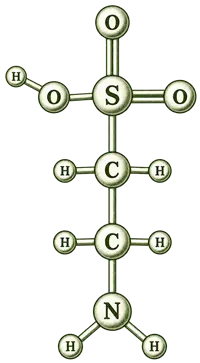
Taurine is a single small molecule taken as the free amino acid — powder or capsule. It needs no bioavailability-enhancing formulation, and none has been tested against a cancer-relevant endpoint. Dose and total exposure, not formulation, are the meaningful variables.
Metabolism
Taurine is not incorporated into proteins and undergoes little liver metabolism. It conjugates bile acids and is excreted largely unchanged in urine. No clinically significant drug-clearing-enzyme (CYP) interactions are established.
Co-Dosing Considerations
Taurine modestly lowers blood pressure, so it warrants review alongside antihypertensive therapy; renal clearance makes monitoring prudent in kidney impairment; and combining it with chemotherapy is best treated as a treating-team decision.
Absorption
Taurine is water-soluble and absorbed in the small intestine by carrier-mediated transport, and its absorption does not depend on dietary fat. Human intestinal brush-border studies identify two uptake systems — the proton-coupled PAT1 (SLC36A1) and the sodium/chloride-dependent taurine transporter TauT (SLC6A6).[37] (Intestinal absorption is therefore not carried by a single transporter, and should not be conflated with the SLC6A6-mediated tumour uptake discussed elsewhere on this page, even though SLC6A6 appears in both settings.) In a pharmacokinetic study in eight healthy men, a single 4 g oral dose produced a peak plasma taurine concentration of 86.1 ± 19.0 mg/L (about 0.69 mmol/L) at 1.5 hours, with a short plasma elimination half-life near 1.0 hour.[21]
Taurine's tissue distribution is broad and heavily intracellular. In a mouse whole-body study, skeletal-muscle taurine exceeded 30 mM — reported as the highest tissue concentration of any known metabolite in a mammal — with high levels also in heart and nervous tissue.[25] Human tissue behaves similarly in the way that matters here: in a controlled human study, seven days of oral taurine supplementation did not measurably increase skeletal-muscle taurine content.[36] Taurine is among the most abundant amino acids in mammalian tissues and acts as an intracellular osmolyte and modulator of cellular calcium,[26] and circulating levels have been reported to decline with age.[20] This large, tightly regulated intracellular reservoir is the key to how taurine behaves as a supplement, and is the subject of The Concentration Gap below.
The Concentration Gap
Taurine's concentration story is the reverse of most supplements. Rather than struggling to reach the bloodstream, taurine is already present in bulk inside cells: mouse skeletal-muscle taurine exceeds 30 mM,[25] roughly 40 times the ~0.69 mmol/L plasma peak a 4 g human oral dose produces,[21] and short-term human supplementation did not raise muscle taurine measurably.[36] The classic taurine-apoptosis studies used taurine at high-millimolar concentrations — at or above even that high intracellular pool.[5][7][9] Because tissue taurine is high and tightly homeostatically regulated, oral supplementation moves the intracellular pool only modestly, so those apoptosis-triggering concentrations are not ones oral dosing can reach in a person.
Two important boundaries on this argument. First, it applies specifically to the high-concentration apoptosis literature; it should not be generalised to every reported taurine mechanism, and it cuts in the cautious direction — the pro-tumor and immune-competition findings elsewhere on this page occur at ordinary physiological taurine levels, so the concentration gap does not soften them. Second, plasma concentration is an imperfect proxy for unbound intracellular or tumour-tissue exposure, and this table compares different compartments (human plasma, mouse tissue, culture medium), so it is illustrative rather than a direct measure of what a human tumour would see.
| Benchmark | Concentration | Interpretation |
|---|---|---|
| Taurine used to trigger apoptosis in cancer-cell studies | High millimolar | At or above even the saturated tissue pool below; the concentration range at which the intrinsic-apoptosis findings were observed in vitro[5][7][9] |
| Skeletal-muscle taurine (mouse tissue) | >30 mM | The naturally high intracellular reservoir — reported as the most concentrated metabolite in a mammalian tissue; short-term human supplementation did not raise muscle taurine measurably[25][36] |
| Plasma Cmax after a single 4 g oral dose | ~0.69 mmol/L | The peak a large oral dose reaches in human plasma — roughly 40-fold below the muscle pool and far below the in-vitro range[21] |
Clinical Dose Context
Taurine's human doses are well characterised and sit in a familiar supplemental range. None was chosen to reach an anti-cancer tissue concentration — the human trials targeted chemotherapy-tolerability or cardiovascular endpoints — so the doses below describe how taurine has been studied, not a dose shown to control a tumour.
| Context | Dose | Source |
|---|---|---|
| Leukaemia chemotherapy-tolerability RCT | 2 g/day | Oral, 6 months during maintenance chemotherapy; reduced nausea/vomiting and weariness[1] |
| Prehypertension blood-pressure RCT | 1.6 g/day | Oral, 12 weeks; lowered clinic and 24-hour ambulatory blood pressure[23] |
| Observed safe level (risk assessment) | Up to 3 g/day | Peer-reviewed observed safe level for healthy adults; higher intakes tested without harm but with insufficient long-term data[22] |
| Observed safe level (regulatory estimate) | ~6 g/day | A human observed-safe-level estimate cited in an EFSA animal-feed-additive opinion — not a formal tolerable upper intake level or approved supplement ceiling[29] |
Formulation Effects
Unlike the lipophilic botanicals whose absorption depends heavily on formulation, taurine is a single, small, water-soluble molecule taken as the free amino acid in powder or capsule form. It is efficiently absorbed on its own, so there is no established bioavailability-enhancing formulation for it, and none has been tested against a cancer-relevant endpoint.
The meaningful variables for taurine are dose and total daily exposure, not delivery form. Given the concentration ceiling described above — a large, tightly regulated intracellular pool that oral dosing moves only modestly — no formulation would be expected to close the gap between achievable exposure and the high-millimolar concentrations used in the cell studies.
Metabolism
Taurine is not incorporated into proteins and undergoes only limited hepatic metabolism. Its main biochemical roles are conjugating bile acids and acting as an intracellular osmolyte; excess taurine is excreted largely unchanged by the kidney.[27] No clinically established cytochrome-P450-mediated interaction has been identified for taurine, and formal drug-interaction data are limited — so the classic CYP-based concerns that dominate many botanicals are not a prominent feature here, and the relevant co-dosing considerations below are pharmacodynamic (blood pressure, renal handling, and the oncology-specific question) rather than metabolic.
Co-Dosing Considerations
No cytochrome-P450 drug-metabolism interaction is established for taurine. The considerations below are pharmacodynamic or oncology-specific, and each is flagged by the most cautious guidance the evidence supports.
Discuss whether to combine, separate, or avoid taurine and a medication with your treating oncology team or physician.
| Flag | Interaction |
|---|---|
| Caution | Chemotherapy where oxidative injury contributes to activity (for example anthracyclines) — anthracyclines act mainly through topoisomerase-II poisoning and DNA damage, but oxidative stress contributes to their pharmacology (and prominently to their cardiotoxicity). Taurine's antioxidant and cytoprotective action creates a theoretical concern that it could blunt anticancer efficacy — although no human evidence demonstrates reduced efficacy[17] — and taurine taken up through the SLC6A6 transporter could feed tumour cells that over-express it.[2][3] Both are mechanistic, not demonstrated clinical harm, so this is a treating-team decision; no timing separation or washout is implied. |
| Monitor | Antihypertensive therapy — taurine modestly lowers blood pressure and heart rate in human randomised trials and meta-analysis (pooled systolic reduction ~4 mmHg),[23][24] so blood pressure is worth monitoring when taurine is combined with blood-pressure-lowering medication. |
| Monitor | Renal impairment — renal handling is part of taurine homeostasis,[27] and high-dose supplementation has not been well characterised in reduced kidney function, so clinician review is prudent in patients with renal impairment or on medications affecting fluid and electrolyte balance. This is a precaution, not a known toxicity threshold. |
Advertisement
04 — Onset & Washout
Onset and Washout
Taurine's plasma clock is fast and short, but it says little about how long any effect lasts. The molecule sits in large, slowly-turning-over tissue pools, and the one human benefit on record was measured over months of dosing — so plasma clearance and clinical effect are on genuinely different timescales.
Immediate Onset
Plasma taurine peaks within about 1.5 hours of an oral dose and clears quickly, with a half-life near an hour — this describes blood concentration only, not how long a tissue-level effect lasts.
Steady State
Tissue taurine is high and homeostatically regulated, so supplemental dosing shifts the intracellular pool only modestly. A steady-state supplement profile wasn't characterised in the studies reviewed here.
Accumulated Effect
The human symptom benefit was measured after months of continuous daily dosing, and intracellular taurine sits in large, slowly-turning-over reservoirs rather than tracking each dose.
Dosing Pattern in Studies
The oncology and cardiovascular trials cited here used continuous daily dosing — months in the leukemia trial, weeks in the blood-pressure trial. That's the regimen that's been studied, not a proven biological requirement.
Washout
How long taurine's influence can take to clear before it stops being a relevant factor for co-administered medications.
No clinically validated washout period exists. Plasma taurine clears within hours, but the intracellular pool turns over slowly and is homeostatically maintained, so a washout time can't be reliably calculated from plasma half-life alone.
Two Distinct Clocks
Taurine's timeline splits into two genuinely different layers: how quickly a dose appears in and leaves the blood, and how slowly the body's large intracellular taurine stores actually change. The two aren't directly connected by any measurement available here — see the caveat below.
Clock A — Measured Plasma Exposure — tracks taurine in the blood. In a single-dose human pharmacokinetic study, a 4 g oral dose peaked at about 0.69 mmol/L within 1.5 hours and then cleared quickly, with a plasma elimination half-life near 1.0 hour.[21] That describes plasma concentration only. A short plasma half-life doesn't establish that intracellular taurine falls at the same rate, that any tissue-level effect ends when plasma taurine does, or that the effect tracks each dose — none of that has been measured directly in humans.
| Clock A — Measured Plasma Exposure | Clock B — Tissue Pool & Effect | |
|---|---|---|
| Onset | Fast — plasma taurine peaks within about 1.5 hours of an oral dose | Slow — the one human benefit on record was measured only after months of continuous dosing |
| Persistence | Short — plasma elimination half-life near 1.0 hour | Sustained — intracellular pools are large (muscle >30 mM) and turn over slowly, buffered by homeostatic regulation |
| What it covers | Measured plasma taurine only — not the intracellular pool, tissue effect, or how long any downstream effect persists | The reservoir that actually holds most body taurine, and the timescale over which the studied clinical effect was recorded |
Clock B — Tissue Pool and Effect — is where most body taurine lives and where any lasting effect would have to act. Intracellular taurine sits in large, homeostatically maintained pools (skeletal muscle above 30 mM),[25] and the one controlled human benefit — reduced chemotherapy side effects — was recorded after 6 months of continuous dosing.[1] No study has measured how Clock A's brief plasma exposure connects to Clock B's slow tissue reservoir; only that the human trials used sustained, repeated dosing rather than single doses.
Steady State and Accumulation
Not characterised for supplementation in the literature reviewed here. Because tissue taurine is already high and homeostatically regulated, supplemental dosing produces only modest changes in the intracellular pool, and a single dose does not represent steady-state tissue exposure. What the human studies establish is limited: the trials reviewed used repeated daily dosing — supporting daily administration as the studied regimen, not proving daily dosing is biologically necessary to sustain an effect.
Dosing Pattern in Studies
The multi-week human trials cited in this profile used repeated, continuous dosing: 2 g/day over 6 months in the leukaemia chemotherapy-tolerability trial,[1] 1.6 g/day over 12 weeks in the prehypertension blood-pressure trial.[23] (Acute single-dose taurine studies exist in other, non-oncology contexts, but the sustained-effect studies relevant here dosed continuously.) None tested a pulsed schedule against a tissue-level effect, so there is no direct evidence for how such an effect relates to the brief plasma exposure — only that sustained, repeated dosing is what these trials used.
Taurine is therefore best described as studied under daily, continuous dosing — not because pulsed dosing has been shown to fail, but because it simply hasn't been tested. For why raising the intracellular pool is difficult regardless of schedule, see The Concentration Gap under Pharmacokinetics and Administration.
Washout
No clinically validated taurine washout period has been established. Plasma taurine clears within hours,[21] but that plasma half-life cannot be used to calculate a washout interval, because most body taurine is held in large intracellular pools that turn over slowly under homeostatic control. The practically relevant co-dosing considerations — additive blood-pressure lowering with antihypertensives, reduced renal clearance, and the oncology-specific chemotherapy question — are pharmacodynamic and are not resolved by waiting a set number of plasma half-lives. A washout interval should not be calculated from plasma half-life alone, and none is recommended here; any interaction concern should be raised with the treating team as soon as taurine is started.
Advertisement
05 — Safety
Safety Profile
Taurine is generally well tolerated, with mild gastrointestinal discomfort the main effect at higher intakes and no consistent organ-toxicity signal. For a cancer audience, though, the most important consideration isn't a classic side effect at all — it's the evidence that some tumors can take up taurine and use it to grow, set out in the oncology note below.
Gastrointestinal discomfort — the main reported effect at higher intakes, generally mild and not linked to serious adverse events.
Mild blood-pressure and heart-rate lowering — consistent across randomized trials; relevant mainly when taurine is combined with blood-pressure-lowering medication.
Pregnancy — taurine is a normal dietary amino acid, but dedicated high-dose-supplement pregnancy data weren't identified in the literature reviewed; supplemental use is best reviewed by a clinician.
Adverse Effects in Human Trials
Taurine's tolerability record is favourable. A peer-reviewed risk assessment found no systematic pattern of adverse effects and set an observed safe level of 3 g/day for healthy adults, with higher intakes tested without harm but with insufficient long-term data for a confident conclusion; the main effect at higher intakes is mild gastrointestinal discomfort.[22] Gram-level taurine was well tolerated over months in the controlled trials on this page — 2 g/day for 6 months during leukaemia chemotherapy[1] and 1.6 g/day for 12 weeks in prehypertension.[23]
The one consistent physiological effect is a mild reduction in blood pressure and heart rate: a meta-analysis of 20 randomised trials (808 participants) reported pooled reductions of about 4.0 mmHg systolic, 1.4 mmHg diastolic, and 3.6 bpm, with no significant adverse effects versus control.[24] This is relevant to co-dosing with antihypertensives rather than an organ-toxicity signal. Renal handling is part of taurine homeostasis, and because high-dose supplementation is not well characterised in renal impairment, clinician review is prudent there.[27]
Oncology-Specific Consideration: The Two-Sided Taurine Signal
The safety consideration that matters most for a cancer audience is not a conventional adverse effect but the fact that taurine's influence on a tumour points in opposite directions. On the pro-tumour side, several cancers import taurine through the SLC6A6 transporter and use it: bone-marrow-niche taurine drove glycolysis and myeloid-leukaemia progression in mice, with transporter blockade impairing the leukaemia and synergising with venetoclax against patient cells;[2] taurine (with proline) promoted lung-tumour growth via AZGP1/mTOR;[32] the SLC6A6 axis promoted breast-cancer progression;[34] and the transporter supports colorectal-cancer survival and multidrug resistance[3] and is over-expressed across several cancers as a p53-regulated gene.[4][28]
But the same taurine is also required by the immune cells that fight the tumour. Tumour cells over-expressing SLC6A6 outcompeted CD8+ T cells for taurine, driving those T cells into exhaustion; supplementation restored their function and improved therapy in preclinical gastric-cancer models.[30] So supplemental taurine could, in principle, feed a tumour or re-arm the immune response against it, depending on the cancer and on which compartment captures it. This is mechanism-level, mostly preclinical evidence — not a demonstrated clinical harm or benefit from supplements — but it is the central reason taurine supplementation during active cancer should be a treating-team decision, and it is exactly what the recruiting gastric-cancer trial (see Evidence Summary) is designed to resolve.
Pregnancy and Reproductive Safety
Taurine is a normal dietary and physiological amino acid — present in the body at high levels and in breast milk — but dedicated safety data for gram-level supplementation in pregnancy were not identified in the literature reviewed here. This is stated as an absence in the literature reviewed rather than a confirmed absence across all research. Supplemental use in pregnancy is best specifically reviewed by a qualified clinician.
06 — Sourcing
Sourcing Guide
Taurine is one of the simplest supplements to source — a single, well-defined amino acid sold as plain powder or capsules, with no formulation puzzle to solve. What matters is purity, an identifiable brand, and a sensible dose rather than any enhanced-delivery form. Our Sourcing Guide offers a curated list of products available on the retail market we found to answer those concerns.
Taurine Sourcing Guide07 — Literature
References
Last reviewed: August 2026