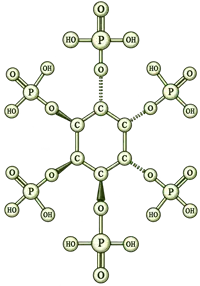
01 — Evidence
Evidence Summary
IP6's human evidence is supportive-care only — three small breast-cancer studies run during chemotherapy, none testing tumour response and no registered cancer-efficacy trial of any kind. Crucially, no controlled oral trial isolates IP6 itself: the one oral trial used IP6 + inositol, and the only study to isolate IP6 applied it topically. A much larger body of animal and cell work builds a broad but moderate anti-tumour case underneath, held back by the unresolved question of whether oral IP6 reaches the bloodstream intact at all.
Human
Clinical Record
Supportive-care studies only
The human evidence is about tolerating treatment, not controlling a tumour: three small breast-cancer studies run alongside chemotherapy, and no registered cancer-efficacy trial.
- Preserved white-cell and platelet counts during chemotherapy versus the comparator, across small controlled trials
- Better quality-of-life and symptom scores during chemotherapy
- No controlled oral trial isolates IP6 — the oral trial used IP6 + inositol, and the IP6-only trial was topical
Animal
Preclinical Signal
Oral-dosing tumour models
Oral IP6 — usually paired with inositol — reduced tumour burden across several cancers, as prevention or growth-inhibition rather than regression of established disease.
- Reduced colorectal liver metastasis in mice, the combination outperforming either component
- Suppressed prostate and rhabdomyosarcoma xenografts, with reduced proliferation and induced apoptosis
- Enhanced natural-killer-cell activity in correlation with tumour suppression
In Vitro
Cell Model Data
Broad panel; concentration-dependent
IP6 reduces invasion, blood-vessel growth and proliferation and induces cell death across many cancer lines — but at concentrations far above what an oral dose reaches in the blood.
- Reduced adhesion, migration and invasion with lower integrins and MMPs
- A rising Bax:Bcl-2 ratio with caspase activation across independent cell lines
- Active concentrations roughly a thousandfold above achievable oral plasma
Human
Clinical Record
No study has tested whether IP6 affects tumour response, progression or survival, and none is registered. There are three small breast-cancer supportive-care studies, and a distinction that matters runs through them: no controlled oral trial isolates IP6 itself. The one oral trial randomised 14 patients on FEC chemotherapy to oral IP6 + Inositol (6 g/day of the combination) or a comparator, reporting significantly better overall quality of life (78.3 vs 48.4, p=0.05) and no white-cell drop in the IP6 + Inositol arm.[1]
Continue reading — full research detail+
In that oral trial, functional scores (87.94 vs 56.29, p=0.0003) and symptom scores (13.51 vs 33.81, p=0.04) were both better on IP6 + Inositol, white cells were preserved (6.66→6.92 ×10⁹/L, p=0.75, versus a significant fall from 7.53→4.36 in the comparator arm) and platelets held steady.[1] The trial did not test tumour response, and stable tumour markers (CEA, CA15-3) neither establish nor exclude a tumour effect — its reported signal is supportive-care. Three caveats temper it: seven patients per arm, the “placebo” was vitamin C (an active antioxidant, not inert), and the supplement was supplied by an IP6 vendor.
The one study that isolates IP6 is a double-blind randomised controlled trial of 20 breast-cancer patients that applied a topical 4% IP6 formulation (not oral) versus a hyaluronic-acid gel during adjuvant chemotherapy; the IP6 group had significantly improved quality-of-life and functional scores and higher white-cell and platelet counts than controls.[26] A third study (n=36) randomised patients open-label (no placebo) to oral myo-inositol plus a topical 4% IP6 gel versus standard care, and reported smaller falls in haemoglobin, red and white cells with better symptom, fatigue and nausea scores.[2] Both are randomised; neither tests oral IP6.
A search of ClinicalTrials.gov returns no oncology-efficacy trial of IP6 in any form; the registered IP6 trials are in unrelated conditions.
Signal maturity: three small randomised supportive-care trials with a consistent tolerability signal — one oral (the IP6 + inositol combination), two using topical IP6. None tested cancer control, and none isolates oral IP6.
Animal
Preclinical Signal
Across several tumour models, oral IP6 — frequently as continuous drinking-water or gavage dosing, and often with inositol — reduced tumour burden while pulling down the invasion, angiogenesis and proliferation biomarkers that recur in the mechanistic case below.[3,10]
Continue reading — full research detail+
In a colorectal liver-metastasis model, oral IP6 + Inositol (80 mg/kg each by gavage) inhibited tumour burden by 72.6%, outperforming IP6 (53.5%) or inositol (52.2%) alone.[3] The strongest IP6-alone in-vivo evidence is in prostate cancer by oral dosing: oral IP6 in drinking water (1–2%) suppressed a hormone-refractory DU145 xenograft by 47–66%, with reduced proliferation, increased apoptosis, lower microvessel density and secreted VEGF, and induced IGFBP-3;[10] a second study confirmed a 40–46% reduction dependent on both p21 and p27;[11] and oral 2% IP6 reduced a PC-3 xenograft by 52–59% while lowering tumour phospho-Akt, ILK1, cyclin D1, PCNA and angiogenesis markers.[27] In rhabdomyosarcoma, IP6 produced tumours 25-fold smaller than controls at two weeks and 49-fold smaller after extended treatment while inducing muscle-cell differentiation — a cytostatic, growth-suppressive result (the report specifies neither the administration route nor when treatment began relative to implantation).[12]
Immune-side, IP6 raised natural-killer-cell activity in mice and rats in correlation with tumour suppression, an effect one experiment found inositol potentiated.[14,15] A separate carcinogen-prevention study found oral IP6 reduced chemically induced rat mammary tumour incidence and number — a chemoprevention signal rather than regression of established disease. The breadth is real, but doses are weight-adjusted animal doses given by continuous exposure, and the designs are prevention or growth-inhibition.
Signal maturity: several models converge on reduced tumour burden with a consistent anti-metastatic and anti-angiogenic signature, corroborated by oral dosing in prostate cancer. The oral models show prevention or growth suppression rather than regression of established disease; regression has been reported only with direct intratumoral IP6 injection into an established liver-cancer xenograft[32] — a delivery route with no bearing on oral supplements. Much of the colorectal-metastasis series comes from one research group.
In Vitro
Cell Model Data
Across breast, colon, prostate, hepatoma, pancreatic, melanoma and leukaemia lines, IP6 reduces invasion and migration, downregulates integrins and MMPs, inhibits endothelial proliferation, arrests the cell cycle and induces apoptosis and differentiation — with the load-bearing caveat that effective concentrations sit roughly a thousandfold above achievable oral human plasma.
Continue reading — full research detail+
In ER-negative breast-cancer cells IP6 cut adhesion to fibronectin by 65%, migration by 72% and invasion by 72%, and reduced integrin α5β1 surface expression by 82%;[7,8] against endothelial cells its anti-proliferative IC50 was 0.74 mM.[9] The pro-apoptotic mechanism is molecularly consistent across independent laboratories — a rising Bax:Bcl-2 ratio with cytochrome c release and caspase-9/-3 activation reported in glioblastoma, hepatocellular and colorectal cells[20,21,22] — and IP6 inhibited growth in pancreatic cells (37–92% across 0.5–5 mM)[23] and in melanoma cells with reduced secreted VEGF.[24]
The concentration caveat runs through all of it, and it is sharper than a simple ratio. Growth-inhibitory effects cluster at roughly 0.5–5 mM,[18] but there is no validated human plasma level to compare against. An older seven-volunteer study reported submicromolar plasma IP6,[16] yet later, more specific analytical methods detected no intact IP6 in human plasma (below 1 nM) or urine and identified an IP6-degrading enzyme in plasma, concluding that the earlier micromolar reports may not have been measuring IP6 at all.[30,31] Either way, systemic exposure to intact IP6 sits far below the millimolar concentrations used in these cell studies — and may be effectively negligible — so the dish results cannot presently be matched to a validated human exposure.
Signal maturity: the anti-metastatic, anti-angiogenic and pro-apoptotic mechanisms are reproduced across independent cancer models and corroborated in animals by oral dosing. The ceiling is hard: no human tumour-control data, a severe concentration gap, and a foundational literature originating substantially from the compound's own advocates.
Advertisement
02 — Pathways
Pathway Interaction Profile
IP6 engages several pathways relevant to tumour behaviour, grouped below by the functional role each supports. These are direct anti-tumour mechanisms — reported across cell and animal studies at exposures above achievable oral human plasma — followed by the host-support role, which rests on human supportive-care evidence.
IP6's Contain classification is its strongest tumour-directed niche: reported suppression of invasion and EMT, focal adhesion, and blood-vessel formation across colorectal, breast, prostate and hepatoma models, with one oral in-vivo metastasis reduction — but at millimolar or oral-animal exposures the blood does not reach in humans.
Prevent Tumor Cell Shedding
Research concerning invasion and escape from existing lesions (EMT and ECM breach).
EMT & metastatic invasion
This is IP6's best-corroborated tumour-directed mechanism. In a colorectal liver-metastasis mouse model, oral IP6 + Inositol reduced metastasis-relevant proteins by immunohistochemistry — integrin-β1 (−60%), MMP-9 (−60.4%), VEGF (−51.4%), bFGF (−57.6%) and TGF-β (−59.6%), all p<0.001 — and lowered extracellular-matrix collagen IV, laminin and fibronectin.[3] In colon-cancer cells IP6 (0.2–1 mM) reduced migration with an epithelial shift (↑E-cadherin, ↓N-cadherin) and lower MMP-2/MMP-9;[4] the IP6 + Inositol combination upregulated claudin-7 and suppressed a colorectal xenograft, an effect neutralised when claudin-7 was silenced.[5] In ER-negative breast-cancer cells IP6 cut adhesion to fibronectin by 65%, migration by 72% and invasion by 72%, and inhibited MMP-9 secretion.[7]
Prevent Arrest & Adhesion
Research concerning endothelial adhesion and platelet-mediated arrest at secondary sites.
Integrin–FAK–Src signaling (focal adhesion)
In ER-negative breast-cancer cells, IP6 downregulated cell-surface integrin α5β1 by 82% (p<0.0001), reduced α2β1 and αvβ3, scattered the focal-adhesion protein paxillin, and suppressed focal-adhesion-kinase autophosphorylation at Tyr-397.[8] This is a coherent molecular basis for the reduced adhesion and motility reported in the same cell model above.
Block Seeding & Niche Formation
Research concerning formation of supportive pre-metastatic niches at distant sites.
Angiogenesis / VEGF / HIF-1α
IP6 has been reported to inhibit new blood-vessel formation. Against endothelial cells it was anti-proliferative (IC50 0.74 mM), disrupted capillary-tube formation, and reduced bFGF-induced vessel growth in an in-vivo Matrigel-plug assay (p<0.01), while lowering VEGF messenger RNA and protein in hepatoma cells (p=0.012).[9] Oral IP6 alone lowered microvessel density and secreted VEGF in vivo and induced the growth-suppressive IGFBP-3 (up to 1.7-fold) in a DU145 prostate xenograft,[10] and reduced tumour CD31, VEGF, eNOS and HIF-1α in a PC-3 prostate xenograft;[27] VEGF was also among the proteins reduced in the colorectal liver-metastasis model.[3]
NF-κB / TNF-α / IL-6 inflammatory axis
In androgen-independent DU145 prostate cancer cells, IP6 alone (1–2 mM) strongly inhibited constitutive NF-κB activation — reducing nuclear levels of the p65 and p50 subunits, lowering phospho-IκBα and inhibiting IKKα kinase activity — alongside reduced proliferation and induced apoptosis.[28] This is an IP6-alone mechanism from a group independent of the compound's originators, though the evidence here is in-vitro only.
IP6's Weaken classification rests on suppression of the PI3K–Akt growth axis and Wnt signalling, together with cell-cycle arrest and differentiation — the growth-axis and cell-cycle evidence corroborated in prostate xenografts by oral IP6-alone dosing, though at exposures whose human relevance is unresolved.
Expansion Suppression
Research concerning proliferation, cell-cycle progression, and the capacity of lesions to add durable mass.
PI3K–AKT–mTOR (signaling)
This is one of IP6's cleaner IP6-alone, oral, in-vivo mechanisms. In androgen-independent prostate cancer cells (PC-3, C4-2B), IP6 suppressed proliferation and induced apoptosis while inhibiting constitutive activation of Akt and its upstream regulators PI3K, PDK1 and integrin-linked kinase-1 (ILK1), reducing GSK-3α/β phosphorylation and cyclin D1; oral 2% IP6 in drinking water then reduced PC-3 xenograft growth and weight by 52–59% (p<0.001), lowering tumour ILK1, phospho-Akt, cyclin D1 and PCNA alongside angiogenesis markers and raising cleaved caspase-3 and PARP.[27] A lung-tumorigenesis model separately reported oral IP6 lowering PI3K/Akt via miR-21.[25]
Cell cycle checkpoints (CDK4/6–RB–E2F, G1/S, G2/M)
In hormone-refractory prostate cancer, oral IP6 (2% in drinking water) reduced tumour volume by 40–46% and proliferation by 26–28%, causing G1 arrest and apoptosis; genetic knockdown showed the effect required both p21/Cip1 and p27/Kip1 — losing either largely abolished efficacy.[11] In rhabdomyosarcoma, IP6 (IC50 <1 mM) induced muscle-specific differentiation and shrank nude-mouse xenografts 25-fold at two weeks (p=0.008) and 49-fold at five weeks (p=0.001).[12] In leukaemia, IP6 was dose-dependently cytotoxic with G2/M accumulation and selectively inhibited chronic-myeloid-leukaemia progenitor colonies (p=0.0062) while leaving normal bone marrow unaffected[13] — a tumour-selective cell-cycle effect. Oral IP6 also reduced PCNA-positive proliferation in the prostate xenograft above.[10]
Wnt / β-catenin
IP6 alone suppressed colorectal cancer in a carcinogen-induced (DMH) rat model through cross-talk between the PI3K/Akt and Wnt pathways — lowering Akt, phospho-Akt, phospho-GSK-3β and c-Myc and raising phospho-β-catenin — with reduced tumour incidence, number and size.[29] Consistent with this, oral IP6 + Inositol inhibited colorectal liver metastasis in a separate orthotopic model while significantly lowering β-catenin, Wnt10b, Tcf7 and c-Myc (p<0.05).[6] Both studies come from the same research group.
IP6's Attack classification covers two routes — direct apoptosis and immune-mediated killing — each corroborated beyond a single study but without any human data, and at concentrations above achievable oral plasma.
Direct Tumor-Directed Killing
Research concerning regulated tumour-cell death (apoptosis, ferroptosis, necroptosis).
Intrinsic apoptosis (mitochondrial / Bcl-2)
In vivo, oral IP6 significantly increased apoptotic (TUNEL-positive) tumour cells in a hormone-refractory prostate xenograft alongside reduced proliferation (p<0.001)[10], with the p21/p27-dependent prostate study reporting the same G1-arrest-plus-apoptosis pairing[11] and oral IP6 alone raising cleaved caspase-3 and PARP in a PC-3 xenograft.[27] The molecular mechanism is dissected in cell studies by laboratories independent of the compound's originators: in glioblastoma cells IP6 (0.25–1 mM) raised the Bax:Bcl-2 ratio and cytosolic cytochrome c and Smac/DIABLO with caspase-9/-3 activation;[20] in hepatocellular-carcinoma cells (IC50 2.49 mM) it upregulated p53, Bax, caspase-3 and caspase-9 and downregulated Bcl-2;[21] and in colorectal cells it raised Bax and caspase-3/-8 while lowering Bcl-xL.[22] The in-vivo apoptosis is phenotype-level; the molecular detail sits entirely in cell studies at millimolar concentrations.
Immune-Mediated Killing (Re-enabled)
Research concerning immune surveillance and cytotoxic execution capacity.
Innate & adaptive immune tumor surveillance (NK / γδ-T / IFN-γ⁺ CD8-T)
IP6 has been reported to enhance natural-killer-cell activity in animals. In mice, InsP6 raised baseline NK activity and reversed carcinogen-induced NK suppression, with NK activity inversely correlated with tumour incidence (r=−0.9811), and inositol potentiated the effect.[14] In a rat colon-carcinogenesis model, 2% sodium InsP6 in drinking water significantly increased blood NK activity and produced smaller, fewer tumours, though tumour incidence itself was not significantly different.[15] The NK evidence is entirely animal and ex-vivo — no human immune data exist.
IP6's Protect classification is scored on host-outcome evidence, not pathways. Human supportive-care evidence relevant to IP6 comes from three small randomised breast-cancer trials during chemotherapy — one oral (the IP6 + inositol combination) and two using topical IP6, including a double-blind randomised trial that isolates IP6 itself. Active on the strength of that controlled evidence — with the honest caveats that every trial is small, the oral trial's comparator was vitamin C rather than an inert placebo, and none tested or showed any effect on the tumour.
Oncology Host-Status
Preserved blood counts and quality of life during chemotherapy (oral IP6 + Inositol) — in a prospective, randomised, controlled pilot of 14 breast-cancer patients on chemotherapy, oral IP6 + Inositol preserved white-cell and platelet counts where the comparator arm showed significant drops, and improved quality-of-life, functional and symptom scores, detailed in full under Evidence Summary above. The trial did not test tumour response; stable tumour markers neither establish nor exclude a tumour effect. Three caveats temper this single oral trial: seven patients per arm, the comparator was vitamin C (an active antioxidant), and the supplement was vendor-supplied.[1]
Improved quality of life and blood counts, topical IP6 isolated (double-blind RCT) — the one controlled study to test IP6 on its own applied a topical 4% IP6 formulation (not oral) versus a hyaluronic-acid gel in 20 breast-cancer patients during adjuvant chemotherapy; the IP6 group had significantly better quality-of-life and functional scores and higher white-cell and platelet counts than controls.[26] This isolates IP6, but by the topical route.
Reduced haematologic decline and symptom burden (topical IP6 gel + oral inositol) — a further randomised, open-label study of 36 breast-cancer patients used oral myo-inositol plus a topical 4% IP6 gel versus standard care (no placebo). Haemoglobin, red cells and white cells fell less during adjuvant chemotherapy, with better arm-symptom, fatigue and nausea scores.[2] Like the others, it is not a controlled test of oral IP6.
A note on selectivity, surfaced here as context rather than a host-protection outcome: radiolabelled IP6 is taken up and dephosphorylated rapidly by cancer cells, with uptake that varies by cell line (about 31% in a lymphoma line versus 6% in a colon line within an hour — both malignant, so this shows cell-line-dependent, not cancer-versus-normal, uptake),[17] and in the leukaemia study IP6 spared normal bone marrow while suppressing malignant progenitors — a functional selectivity in that assay.[13] This is a property of the anticancer action, not an independent cited host benefit, so it is not carded as a Protect pathway.
Prevent Tumor Cell Shedding
Research concerning invasion and escape from existing lesions (EMT and ECM breach).
IP6's best-corroborated tumour-directed mechanism: reduced invasion, migration and metastasis-related proteins across colorectal and breast cell and mouse models, with one oral in-vivo metastasis reduction.
Block Seeding & Niche Formation
Research concerning formation of supportive pre-metastatic niches at distant sites.
IP6 has been reported to inhibit endothelial growth and new-vessel formation and to lower VEGF, in cell studies and one in-vivo assay.
Expansion Suppression
Research concerning proliferation, cell-cycle progression, and the capacity of lesions to add durable mass.
IP6 alone suppressed the PI3K–Akt growth axis in prostate cancer cells and in an oral-dosing xenograft — one of its cleaner IP6-specific, in-vivo mechanisms.
Cell cycle checkpoints (CDK4/6–RB–E2F, G1/S, G2/M)
IP6 has been reported to arrest the cell cycle and induce differentiation, with prostate xenograft support by oral dosing.
Direct Tumor-Directed Killing
Research concerning regulated tumour-cell death (apoptosis, ferroptosis, necroptosis).
Intrinsic apoptosis (mitochondrial / Bcl-2)
IP6 has been reported to raise the Bax:Bcl-2 ratio and activate caspases across several human cell lines, with in-vivo apoptosis in a prostate xenograft.
Immune-Mediated Killing (Re-enabled)
Research concerning immune surveillance and cytotoxic execution capacity.
Innate & adaptive immune tumor surveillance
IP6 has been reported to enhance natural-killer-cell activity in mice and rats in correlation with tumour suppression — animal evidence only.
Oncology Host-Status
Human evidence on treatment-associated symptoms, tolerability, nutritional status, cachexia, chemoprevention, and chemotherapy-combination outcomes.
Supportive care during chemotherapy
A small controlled trial found oral IP6 + Inositol preserved blood counts and improved quality of life during breast-cancer chemotherapy — a host-tolerability benefit, with no effect on tumour markers.
Advertisement
03 — Pharmacokinetics
Pharmacokinetics and Administration
How IP6 behaves after an oral dose is the crux of reading its evidence: it is poorly absorbed as the intact molecule and rapidly dephosphorylated in the gut, so the plasma exposure a supplement produces sits far below the concentrations active in a dish.
Absorption
Whether oral IP6 reaches the blood intact is analytically contested: an older study reported low plasma levels, but later, more specific assays found no intact IP6 in human plasma or urine. Its activity after ingestion is dominated by the gut.
The Concentration Gap
Cell studies work at roughly 0.5–5 mM. There is no validated human plasma level to compare against — intact IP6 may be undetectable systemically — so the gap cannot be given a precise number, but exposure is far below the active range.
Clinical Dose Context
Supplement dosing is in the gram range, typically with inositol: the breast-cancer trial used 6 g/day of the IP6 + inositol combination. No human dose-finding study exists, so no validated IP6 dose can be stated.
Formulation Effects
The standard approach is co-administration with free myo-inositol; no human trial has shown that adding inositol improves IP6's absorption or activity, and there is no established enhanced-bioavailability oral form with human oncology data.
Metabolism
Gut phytases dephosphorylate IP6 to lower inositol phosphates; cells also make their own intracellular IP6, so dietary and internal pools are related chemically but not interchangeable pharmacokinetically.
Co-Dosing Considerations
The documented interactions are nutrient, not enzyme-based: IP6 chelates iron and zinc, and human studies show this can reduce their absorption, so spacing away from mineral supplements and iron-rich meals is prudent.
Absorption
Whether oral IP6 is absorbed as the intact molecule at all is analytically unresolved. In seven healthy volunteers, an early study reported low, diet-dependent plasma IP6 — 0.07±0.01 mg/L on an IP6-poor diet versus 0.26±0.03 mg/L on a normal diet, peaking about four hours after a dose.[16] But later work using more specific analytical methods found no detectable intact IP6 in human serum or platelet-free plasma (below 1 nM) or urine (below 5 nM), and demonstrated an active IP6-degrading enzyme in plasma; those authors concluded that the earlier micromolar reports may not have been measuring IP6, and questioned the premise that dietary or topical IP6 works by raising extracellular IP6.[30,31] What is not in dispute is that IP6's dominant activity after ingestion is in the gut, where it binds minerals and is progressively dephosphorylated — and that systemic exposure to intact IP6 is, at most, very low.
The Concentration Gap
This is the central PK fact, and it is sharper than a simple ratio. IP6's growth-inhibitory and anti-angiogenic effects in cell studies occur at roughly 0.5–5 mM, with an endothelial anti-proliferative IC50 of 0.74 mM.[18,9] There is no validated human plasma concentration to set against them: the early report of submicromolar plasma IP6[16] is contradicted by later specific assays that found none detectable,[30,31] so a precise fold-difference cannot honestly be stated — and if the newer methods are right, the exposure problem is larger, not smaller. Either way, direct translation of a “IP6 does X at Y mM” dish result to oral human use is not supported; the animal efficacy that exists was produced by continuous oral (or, in some models, injected) dosing, not by matching dish concentrations in blood.
| Benchmark | Concentration | Interpretation |
|---|---|---|
| IP6 growth-inhibitory range in cell studies | 0.5–5 mM | The concentrations at which IP6 inhibits growth and induces apoptosis across cancer cell lines[18] |
| Endothelial anti-proliferative IC50 | 0.74 mM | A single named comparator for the anti-angiogenic effect, from cultured endothelial cells[9] |
| Plasma IP6, older assay (normal diet) | 0.26 mg/L (~0.4 µM) | An early seven-volunteer report — submicromolar, and since challenged as possibly not measuring IP6[16] |
| Plasma / urine IP6, specific later assays | None detected | Below 1 nM (plasma) and 5 nM (urine); an IP6-degrading enzyme was found in plasma[30,31] |
Clinical Dose Context
Supplemental IP6 is dosed in the gram range, and the numbers below describe the combination, not IP6 alone. The only oral breast-cancer trial used 6 g/day of the IP6 + inositol preparation, divided twice daily.[1] Its authors also quoted, as extrapolations from animal data with no human dose-finding study, a “prophylactic” and a higher “therapeutic” range; those figures are not validated human doses and are omitted here to avoid lending them false authority. No oncology-specific exposure target has been established in humans, because no efficacy trial has been run.
| Study intervention | Dose / form | Context |
|---|---|---|
| Oral IP6 + inositol RCT | 6 g/day of the combination | Through chemotherapy; preserved counts + QoL — combination, not IP6 alone[1] |
| Topical IP6 RCT | 4% topical gel | The one controlled study isolating IP6, by the skin route[26] |
| Animal anticancer models | 1–2% in drinking water | Continuous oral exposure, prostate xenografts[10,11] |
Formulation Effects — and the IP6 + inositol pairing
IP6 + myo-inositol is a commonly studied and marketed pairing, not a distinct chemical form of IP6. Preclinical work suggests inositol can augment some IP6 effects — it potentiated IP6's NK-enhancing activity,[14] and the combination outperformed either component in a colorectal liver-metastasis model[3] — and the only controlled oral human oncology trial used the combination.[1] But no human trial has established that adding inositol improves IP6's absorption, anticancer activity or clinical outcomes compared with IP6 alone, so the pairing is a plausible, common convention rather than a proven advantage. This is why the page separates combination evidence from IP6-alone evidence throughout.
Beyond that pairing, IP6's real-world exposure is governed less by delivery technology than by the biology of its absorption and dephosphorylation. There is no established enhanced-bioavailability oral formulation with human oncology data; the controlled study that isolated IP6 delivered it topically for local skin exposure,[26] a different objective from systemic delivery.
Metabolism
After ingestion, IP6 is progressively dephosphorylated by intestinal phytases and phosphatases to lower inositol phosphates.[18] An important nuance follows from the analytical work above: mammalian cells synthesise their own intracellular InsP6 and maintain it even when cultured without any external IP6.[30] Dietary/exogenous IP6 and the endogenous intracellular InsP6 pool are therefore related chemically but are not established as pharmacokinetically interchangeable — the intuitive chain of “oral IP6 → circulating fragments → tumour intracellular IP6” has not been demonstrated. At the cellular level in culture, radiolabelled IP6 is taken up and dephosphorylated by cancer cells, with most label recovered in the cytosol.[17]
Co-Dosing Considerations
IP6's documented interactions are nutrient/mineral, not enzyme-based. Direct searches found no indexed human anticoagulant, platelet-drug or cytochrome-P450 interaction data, so a drug-metabolism interaction is neither demonstrated nor excluded; the only substantiated interaction class is mineral chelation.
Discuss whether to combine, separate, or avoid IP6 and a medication with your treating oncology team or physician.
| Flag | Interaction |
|---|---|
| Caution | Mineral supplements and iron- or mineral-rich meals (iron and zinc especially) — IP6 chelates these minerals into insoluble complexes, and human intervention studies confirm that phytate-rich intake reduces iron and zinc absorption, while removing phytate (dephytinisation/phytase) improves it.[33] At the gram-per-day supplemental doses discussed here this is not trivially dismissible; its long-term nutritional importance depends on dose, diet and baseline status, and co-ingested organic acids or vitamin C partly counteract it.[18] Spacing IP6 away from mineral supplements and iron-rich meals is prudent — and matters more in a cancer patient, where anemia and reduced intake are often already in play.[19] |
| Monitor | Periods of anemia or cytopenia risk (for example during myelosuppressive chemotherapy) — the same iron-binding that underlies the anti-nutrient effect warrants attention when iron status is already a concern; the direction of any net effect in this setting has not been studied.[18] |
| Monitor | Cytotoxic chemotherapy timing — preclinical data report IP6 potentiating doxorubicin and tamoxifen and reversing oxaliplatin resistance in tumour models; there is no human interaction data, so any combination is a matter to coordinate with the treating team rather than a demonstrated effect.[18] |
Advertisement
04 — Onset & Washout
Onset and Washout
IP6's plasma clock and its studied dosing pattern are two different things: the absorbed fraction appears within hours, but every anticancer or supportive-care result came from continuous dosing over weeks to months.
Immediate Onset
An early study reported an absorbed fraction peaking around four hours, but later specific assays found no intact IP6 in plasma at all — so a plasma onset for intact IP6 cannot be reliably stated. Any effect after ingestion is more plausibly a gut or lower-inositol-phosphate phenomenon than circulating IP6.
Steady State
The breast-cancer trial dosed continuously for about six months, but no study measured steady-state plasma exposure or accumulation — and gut dephosphorylation means “steady state” describes the inositol-phosphate pool more than intact IP6.
Accumulated Effect
Every result reviewed came from continuous exposure — weeks of drinking-water dosing in animals, roughly six months of daily use in the human trial. No pulsed schedule has been tested.
Dosing Pattern in Studies
Every available protocol used continuous daily dosing. That is the regimen that has been studied — not proof that pulsed use has been tested and found wanting.
Washout
How long IP6 takes to clear before it stops being a relevant factor for co-administered medications.
The early diet study reported plasma and urinary IP6 normalising within about 16 days of an intake change, but that measurement rests on the same assay later work could not reproduce, so it is not a reliable washout figure. IP6 has no demonstrated enzyme-based drug interaction to time around; its relevant interaction is mineral chelation in the gut, present while it is being taken and not after.
Two Distinct Clocks
IP6's timeline splits into two layers that no available measurement directly connects: how quickly the absorbed fraction appears in the blood, and the continuous-dosing regimen under which every anticancer and supportive-care result was actually produced.
Clock A — Systemic IP6 Exposure — is analytically contested. An early diet study reported a submicromolar absorbed fraction peaking around four hours,[16] but later, more specific assays found no intact IP6 in human plasma or urine and an IP6-degrading enzyme in plasma.[30,31] So there may be no meaningful systemic IP6 clock at all; any circulating material after an oral dose is more plausibly lower inositol phosphates than intact IP6.
| Clock A — Systemic IP6 Exposure (contested) | Clock B — Studied Dosing Regimen | |
|---|---|---|
| Onset | Unresolved — an early report suggested a ~4-hour peak, but specific assays later found no intact plasma IP6 | Slow — every anticancer and supportive-care result required continuous dosing over weeks to months |
| Persistence | Unreliable — the ~16-day normalisation rests on the same disputed assay; systemic intact IP6 may be effectively absent | Sustained — the human oral trial dosed daily for about six months; animal models used continuous drinking-water exposure |
| What it covers | At most a small, contested plasma fraction — not tissue levels, target engagement, or the active inositol-phosphate species | The actual studied readouts — preserved blood counts, reduced tumour burden — under repeated daily dosing |
Clock B — Studied Dosing Regimen — is what the evidence actually rests on. The breast-cancer trial dosed continuously from the first postoperative day through the end of chemotherapy, roughly six months;[1] animal anticancer models used continuous 1–2% drinking-water exposure over weeks.[10,11] No study tested a single dose or a pulsed schedule, and none measured how Clock A's plasma exposure connects to Clock B's outcome — only that sustained, repeated dosing is what every study used.
Steady State and Accumulation
Not formally characterised. No repeated-dose human study has measured steady-state plasma exposure, accumulation, or continuous target engagement. What the studies establish is more limited: every anticancer and supportive-care regimen used repeated daily dosing. Given IP6's gut dephosphorylation, “steady state” would in any case describe the inositol-phosphate pool more than intact IP6.
Dosing Pattern in Studies
Every regimen reviewed — the human supportive-care trial and the animal anticancer models — used continuous daily dosing over weeks to months. None tested a pulsed or single-dose schedule, so there is no direct evidence for how the plasma clock relates to the observed outcomes. IP6 is best described as studied under daily, continuous dosing for the purposes it has actually been tested for — not because pulsed dosing has been shown to fail, but because it has not been tested.
Washout
An early diet study reported plasma and urinary IP6 normalising within about 16 days of an intake change,[16] but that figure rests on an assay later, more specific work could not reproduce,[30,31] so no reliable systemic washout interval can be stated. In any case, IP6 has no demonstrated enzyme-based drug interaction whose duration would need to be timed; its relevant interaction is mineral chelation in the gut, present while it is being taken and not afterward. Any decision about timing IP6 around cancer treatment — including around periods of anemia or myelosuppression — belongs with the treating medical team, raised when the compound is started rather than deferred to a fixed interval.
Advertisement
05 — Safety
Safety Profile
IP6 is a component of everyday foods and is generally well tolerated; phytic acid and myo-inositol have established food-use safety contexts, though those do not by themselves establish the safety of gram-dose oncology supplementation. Its defining consideration is a nutrient interaction — mineral chelation — rather than an organ-toxicity signal, and it is covered under Co-Dosing.
Well tolerated in the trials reviewed — phytic acid and myo-inositol have food-use GRAS status for specified uses, and the breast-cancer trials reported no added toxicity; food-use GRAS does not by itself establish gram-dose oncology-supplement safety.
Mineral chelation ("anti-nutrient") — IP6 binds iron and zinc and can reduce their absorption dose-dependently in humans; a nutrient-timing consideration (see Co-Dosing) that matters more in a cancer patient, not an organ-toxicity signal.
Experimental antiplatelet activity — IP6 inhibited platelet aggregation in human whole blood at millimolar concentrations; clinical relevance after oral use is unknown, so any caution is theoretical rather than demonstrated.
Pregnancy — no dedicated human reproductive-safety study; in that absence, use in pregnancy or when trying to conceive should be reviewed by a clinician.
Adverse Effects and Regulatory Status
Human tolerability in the trials reviewed was good: the oral IP6 + inositol arm reported no added toxicity,[1] and the topical-IP6 trials reported no safety concerns.[26,2] (The preserved blood counts from these trials are a host benefit and are reported under Protect, not as a safety finding.) On regulatory status, phytic acid and myo-inositol have Generally-Recognized-As-Safe determinations for specified food uses — for example phytic acid as an antioxidant/chelating ingredient — but a food-use GRAS is not a finding that multi-gram IP6 or IP6 + inositol oncology supplementation is safe, and should not be read as one. A partisan review reports no adverse effects even at high doses and no mineral depletion in lifetime rodent studies;[18] that reassurance is best weighed against the independent human absorption evidence below.
The Mineral "Anti-Nutrient" Question
IP6's defining safety consideration is its chelation of dietary minerals, chiefly iron and zinc — the basis of its traditional “anti-nutrient” label.[18,19] Independent human evidence confirms this is real: a narrative review of human intervention studies found that phytate-rich intake reduced iron and zinc bioavailability in most studies (13 of 17), while removing phytate by dephytinisation or added phytase improved it.[33] At the gram-per-day supplemental doses relevant here, the effect is not trivially dismissible; its long-term importance depends on dose, diet composition and baseline nutritional status, and co-ingested organic acids or vitamin C partly counteract it. For a cancer population — where anemia, reduced intake and GI toxicity are often already present — spacing IP6 from mineral supplements and iron-rich meals is the prudent, evidence-based message. This is a nutrient-timing consideration (see Co-Dosing above), not an organ-toxicity signal.
Platelet Signal, Liver, and Data Gaps
Experimental antiplatelet activity has been reported directly in human whole blood: IP6 inhibited platelet aggregation induced by ADP, collagen and thrombin, with IC50 values of roughly 0.8–1.6 mM.[34] Because those are millimolar concentrations and systemic IP6 exposure after oral use is contested and probably far lower, there is no evidence IP6 acts as a clinically meaningful antiplatelet agent — but the caution is best treated as theoretical rather than dismissed, and worth raising with the care team where bleeding risk or anticoagulants are in play. IP6 has no LiverTox monograph and no hepatotoxicity signal in the reviewed literature — an absence of reported injury, not a positive demonstration of hepatic safety. There is no long-term human oncology safety dataset beyond the small breast-cancer trials, and no dedicated human reproductive-safety study; in that absence, use in pregnancy or when trying to conceive should be reviewed by a clinician.
06 — Sourcing
Sourcing Guide
IP6 is sold as a standalone supplement and, more often, paired with myo-inositol as “IP6 + Inositol” — the combination used in most of the research above. Product form, the IP6-to-inositol ratio, and characterization matter more than brand claims. Our Sourcing Guide offers a curated list of products available on the retail market chosen against those concerns.
IP6 Sourcing Guide07 — Literature
References
Last reviewed: September 2026